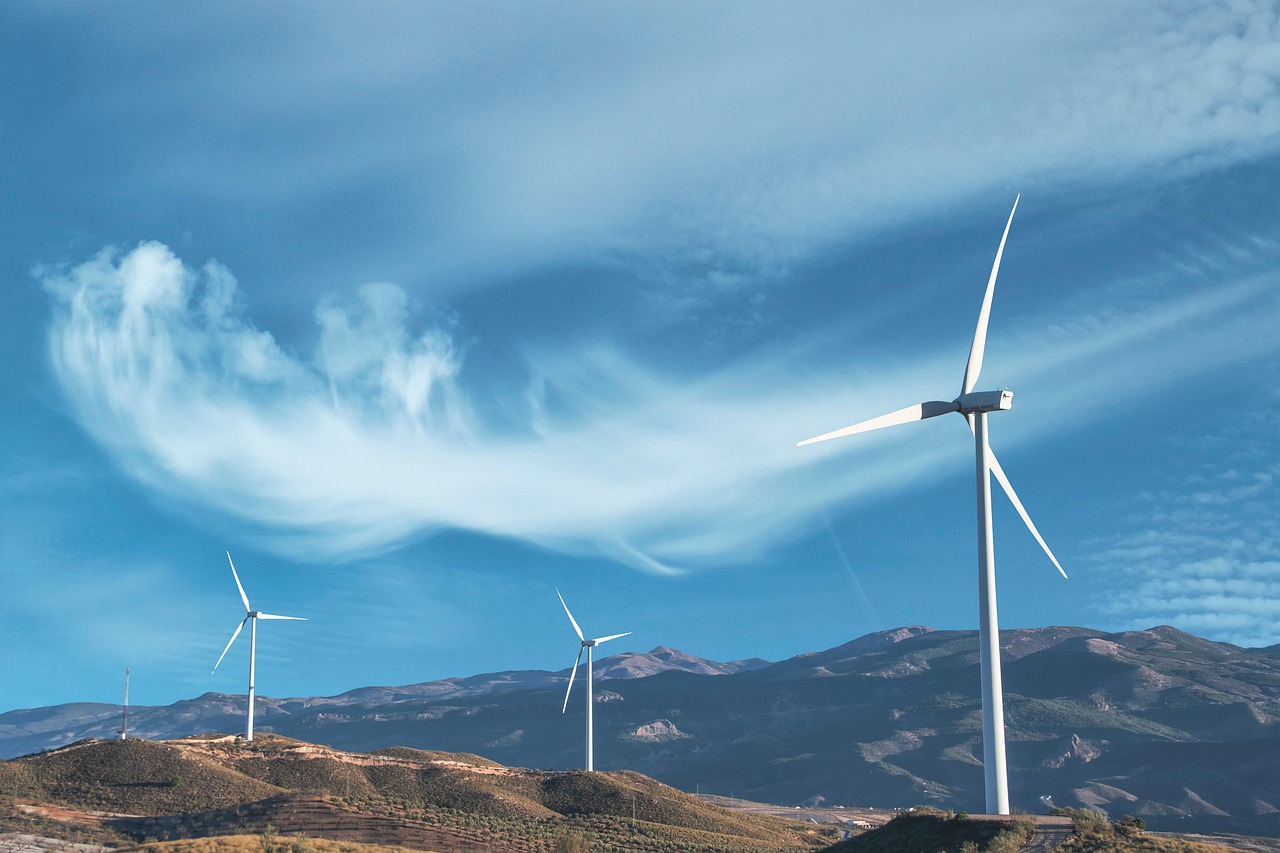
Greece is rapidly installing new RES. However, the power system has not developed at the same pace to utilise all of this generation.
In 2025, RES energy curtailments reached 1.87 TWh, which is 6.6% of total RES generation, more than doubling compared to 2024. In the first half of 2026, they increased even further, to 1.60 TWh.
What does a “curtailment” mean? When, mainly during midday hours, photovoltaics and wind farms can produce more electricity than the system can absorb at that moment, a part of the generation is curtailed. It is not the fault of RES: the problem is the lack of sufficient storage, flexibility and network capacity.
Τον Μάιο του 2026, για παράδειγμα, περικόπηκαν 418 GWh, περίπου το 14% της διαθέσιμης παραγωγής ΑΠΕ εκείνον τον μήνα. Οι πρώτες εννέα μπαταρίες του συστήματος, συνολικής ισχύος απορρόφησης μόλις 210 MW, απορρόφησαν 9,5 GWh — μόλις το 2,2% των περικοπών.
Εδώ βρίσκεται και ένα σημαντικό κενό της ενεργειακής πολιτικής. Η κυβέρνηση επιτάχυνε την αδειοδότηση νέων έργων ΑΠΕ, αλλά οι επενδύσεις σε αποθήκευση, δίκτυα και διαχείριση της ζήτησης δεν προχώρησαν με αντίστοιχη ταχύτητα. Η ίδια η Ευρωπαϊκή Επιτροπή έκρινε τον Ιούνιο του 2026 ότι η Ελλάδα έχει σημειώσει «περιορισμένη πρόοδο» στην αύξηση της ευελιξίας του ηλεκτρικού συστήματος και ζήτησε περισσότερη αποθήκευση, ταχύτερη ανάπτυξη έξυπνων μετρητών και ενίσχυση των δικτύων.
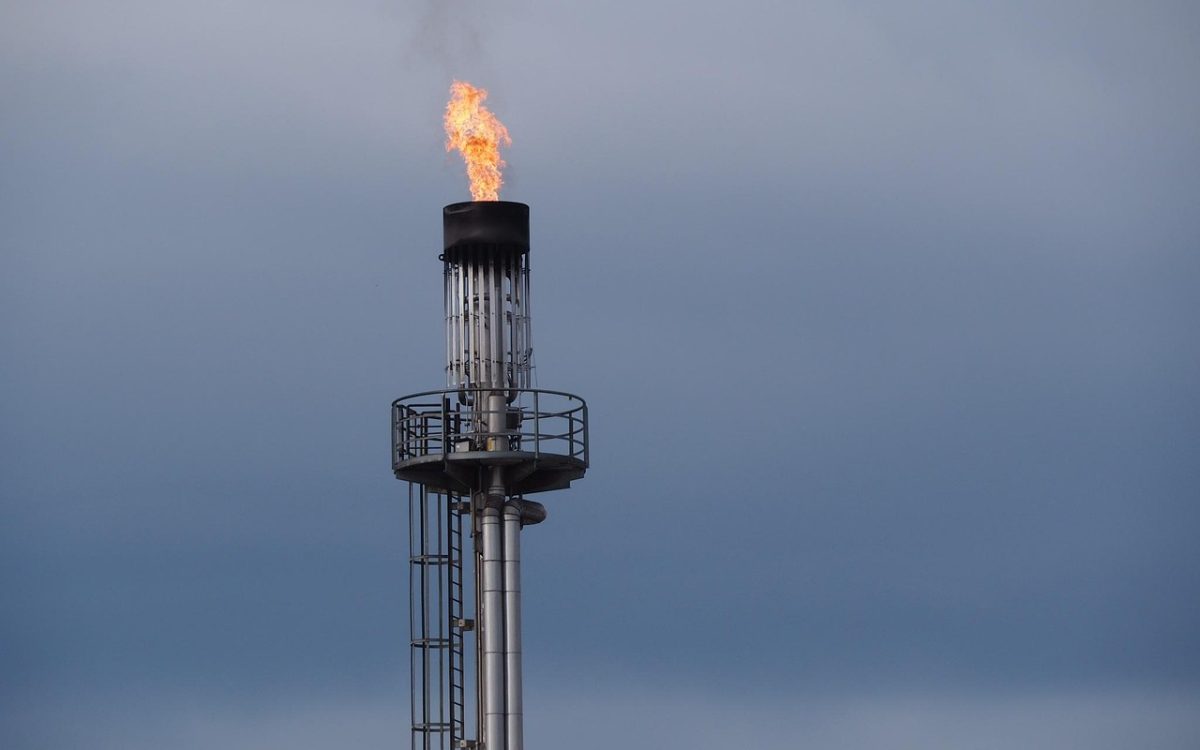
The result is paradoxical: clean and cheap electricity is curtailed at midday, while a few hours later the system needs gas-fired units again. In fact, in 2025, electricity generation from gas reached a historic high.
The solution is not to slow down renewables. It is to accelerate batteries, grids, interconnections and flexible demand. Otherwise, Greece will continue to invest simultaneously in clean energy that it does not fully utilise and in imported natural gas that it could gradually replace.