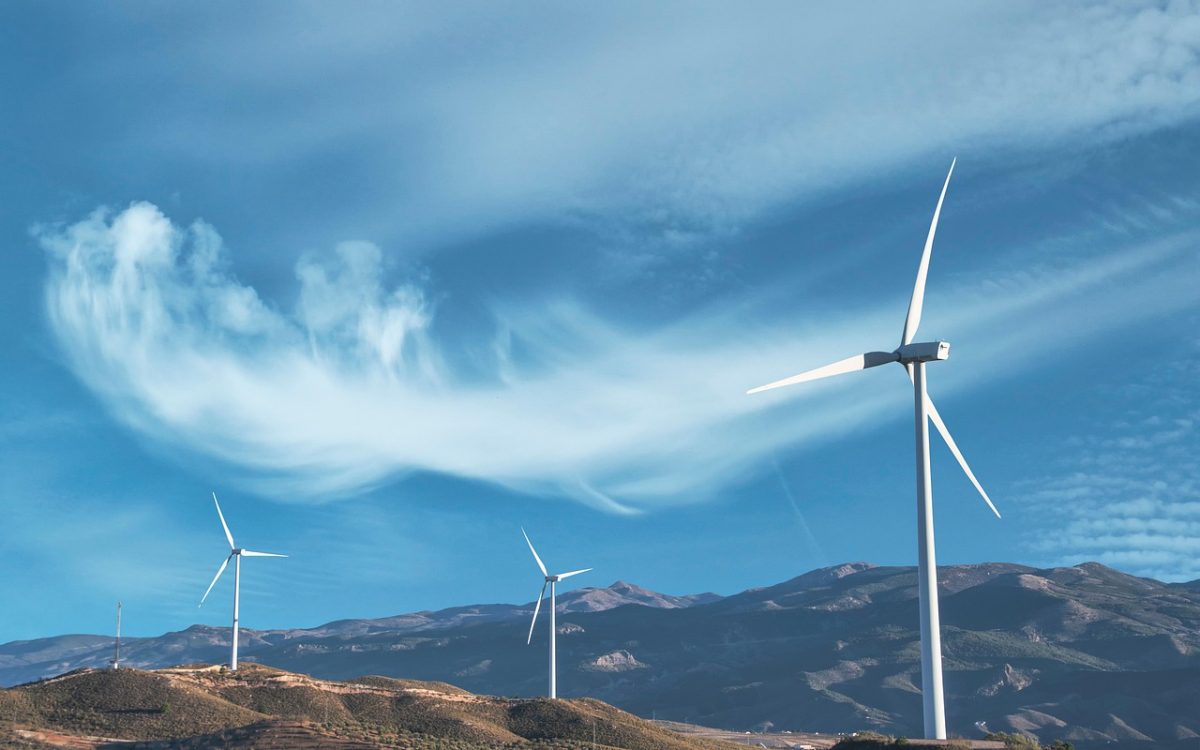
The landscape of the Greek energy system is changing at a rapid pace. Photovoltaics and wind power now account for a significant share of power generation, and the era when lignite dominated the electricity system has practically passed.
DAPEEP data show that at the end of 2025, active RES contracts in the Interconnected System corresponded to approximately 13 GW of installed capacity, with a generation of about 20 TWh during the year. At the same time, according to Ember, solar energy generated over a fifth of electricity in Greece in 2025.
This is a real transformation of the energy system. However, it does not mean that the transition is complete.
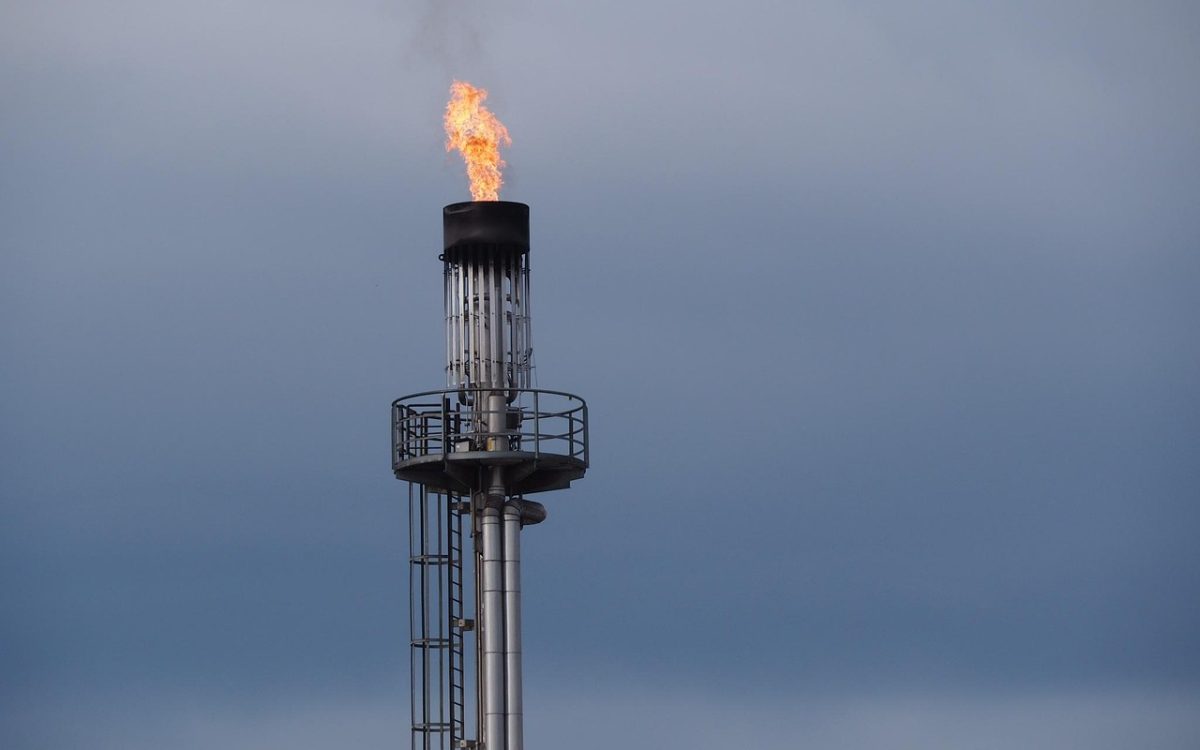
In 2025, domestic natural gas consumption increased by 6%, reaching 70.16 TWh. More than 70% of this quantity was consumed by power generation plants. This fact reveals one of the main challenges of the next phase: as variable generation from solar and wind increases, the system requires much greater flexibility.
To date, a large part of this flexibility is provided by natural gas plants.
The next phase of the energy transition is therefore not simply about installing more photovoltaics and wind turbines. At the same time, what is needed includes:
grids, storage, interconnections, demand management and better coordination of generation and consumption.
Without these infrastructures, the rapid growth of renewables may be accompanied by greater curtailments of generation during hours when there is a surplus of energy, while a few hours later natural gas units may be needed again.
This is perhaps the most important element that is often missing from the public debate. The energy transition is not a competition between different technologies. It is the transformation of the entire energy system.
The question therefore is no longer whether Greece can produce large quantities of electricity from the sun and the wind. That is already happening.
The critical question is how quickly it can build the electricity system that will be able to utilise this energy when and where it is produced.