On 6 August 2026, Greece asked the European Commission to extend the national escape clause, which it already uses for defence spending, to energy security investments as well. According to the Ministry of National Economy and Finance, the Greek plan concerns projects worth up to EUR 1.5 billion for the 2026–2028 period.
What does an “escape clause” actually mean? It is not a new European fund. It is about fiscal flexibility: specific national expenditures can temporarily be excluded from weighing in the same way on the country’s assessment against European net expenditure growth limits.
On 18 August, the European Commission published detailed guidelines. The objective is clear: the funds must finance measures that strengthen the resilience of the energy system and accelerate the phase-out of fossil fuels.
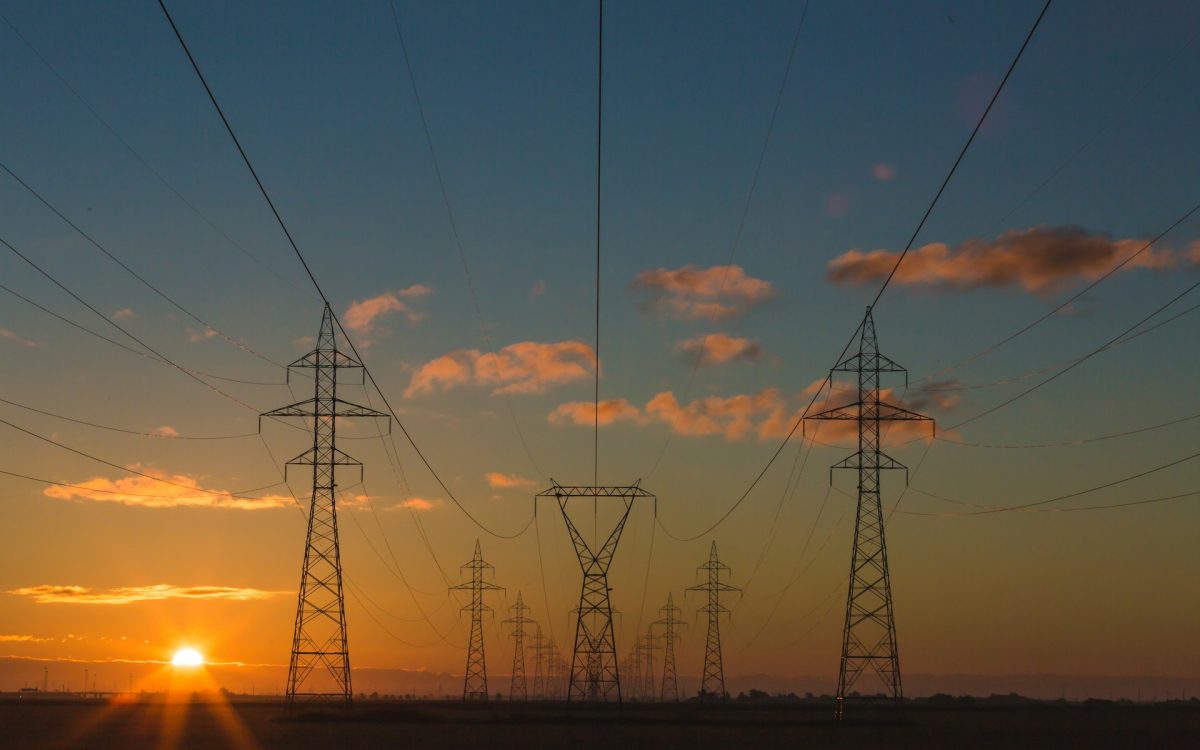
Eligible actions include investments in electricity grids, batteries and other forms of clean storage, new RES, energy renovations, heat pumps, electric vehicle charging infrastructure and industrial electrification measures. For households, provisions include, among other things, the possibility of support for domestic storage, geothermal energy and the replacement of fossil fuel boilers.
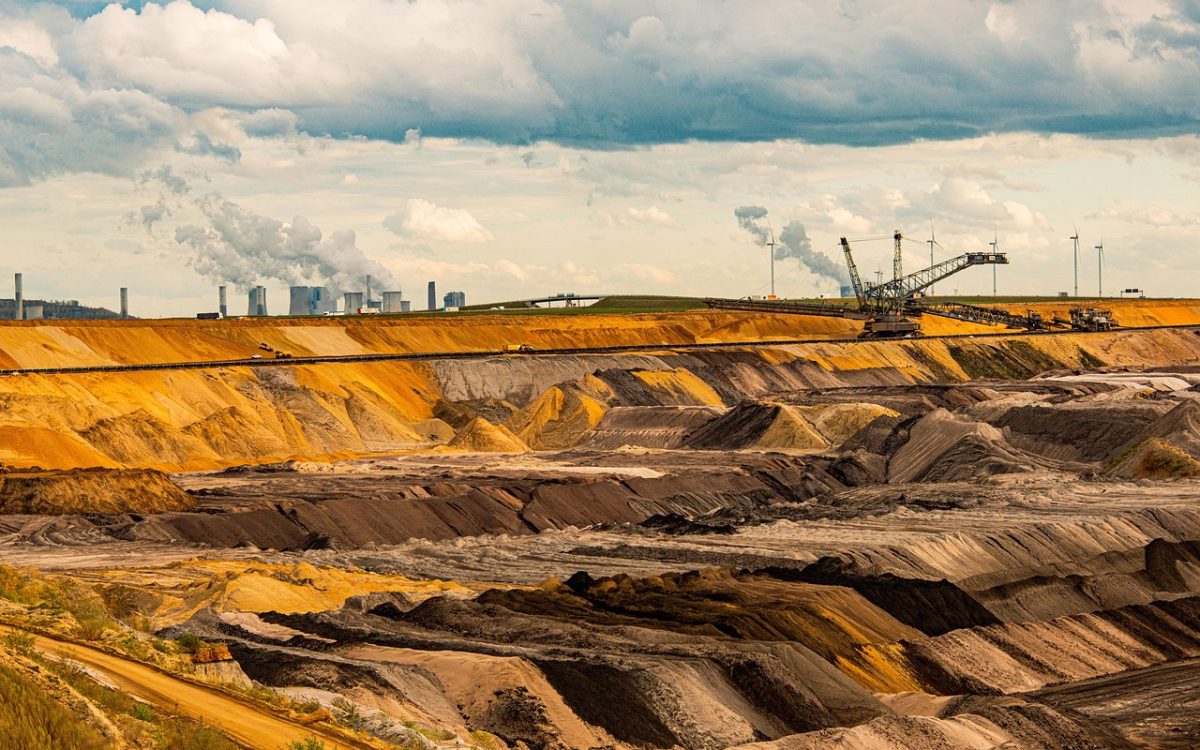
Equally important is what is not being funded. The Commission rules out fossil fuel tax cuts, oil or gas subsidies, and generally interventions that merely reduce energy costs temporarily without structurally limiting dependence on fossil fuels.
Flexibility also has limits: up to 0.3% of GDP annually for energy measures and up to 0.6% cumulatively for 2026–2028, within the existing overall framework of the clause.
For Greece, therefore, the true value of the clause will be judged by where the roughly €1.5 billion is directed. If they fund grids, storage, energy efficiency and electrification, they can reduce not only emissions but also the country’s exposure to international natural gas and LNG prices.
However, Greece has not yet received approval for the clause. Last March, the European Commission rejected its activation for the energy crisis, judging at the time that the conditions were not met. The framework subsequently changed, and Greece submitted a new official request on 6 August 2026, based on the new European guidelines for energy security investments. The Commission’s evaluation is expected in September, while, provided there is a positive recommendation, the final decision could be made by the ECOFIN Council in October.