The EU deadline expired in July, but the Greek assessment does not yet appear to have been made public. And this matters, because it will determine how much the country will rely on batteries, flexible demand and interconnections, or whether it will continue to depend on natural gas.
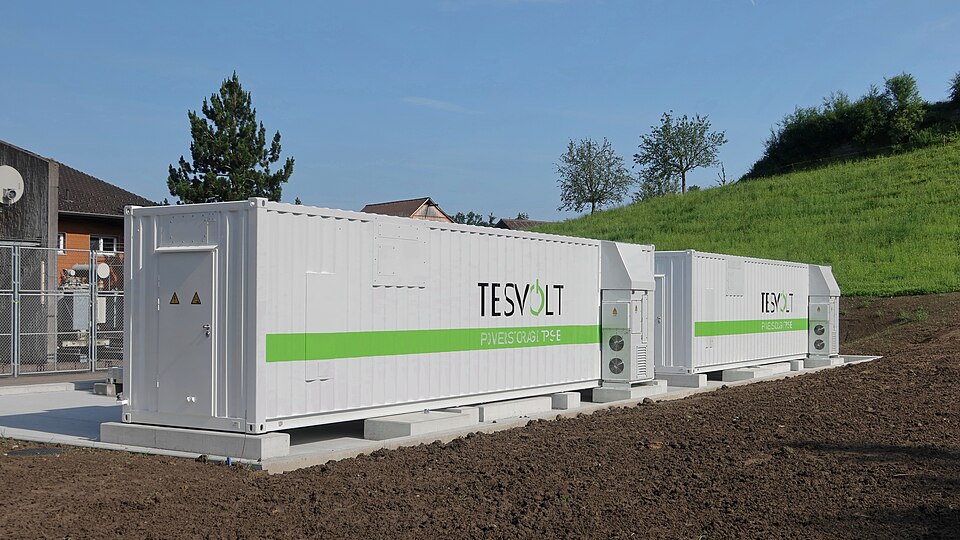
The transition to a power system with a much higher share of renewables requires more than new photovoltaics and wind farms: it requires flexibility. In other words, the ability of the system to adapt quickly when generation or consumption changes, using tools such as batteries, pumped storage, demand response, smart EV charging and interconnections.
That is why the EU has obliged all member states to draw up a Flexibility Needs Assessment (FNA), a national assessment of flexibility needs for at least the next 5–10 years. The common methodology was approved by ACER in 2025 and national reports had to be submitted to ACER and the European Commission by July 2026. By January 2027, each country must then set a national target for non-fossil flexibility, with a specific contribution from storage and demand response.
However, according to records by Climate Action Network Europe and Beyond Fossil Fuels, several weeks after the deadline, only about half of the national assessments had been publicly identified. Greece is among the countries for which no published report could be found.
To date, neither in the publicly available sources of RAAEY nor IPTO is a Greek FNA to be found.
Why it matters for Greece
The assessment will influence which investments are deemed necessary in the coming years.
ACER emphasizes that clean flexibility can limit RES curtailments and dependence on natural gas plants. At the same time, Beyond Fossil Fuels and CAN Europe warn that flawed assumptions in the models could lead to an overestimation of the need for new gas plants instead of batteries, demand response and other clean solutions.
For a country that is already losing significant quantities of renewable electricity due to curtailments while simultaneously investing in new natural gas infrastructure, the question is critical:
How much net flexibility does Greece actually need, and when will we see the data used to design the power system of the next decade?