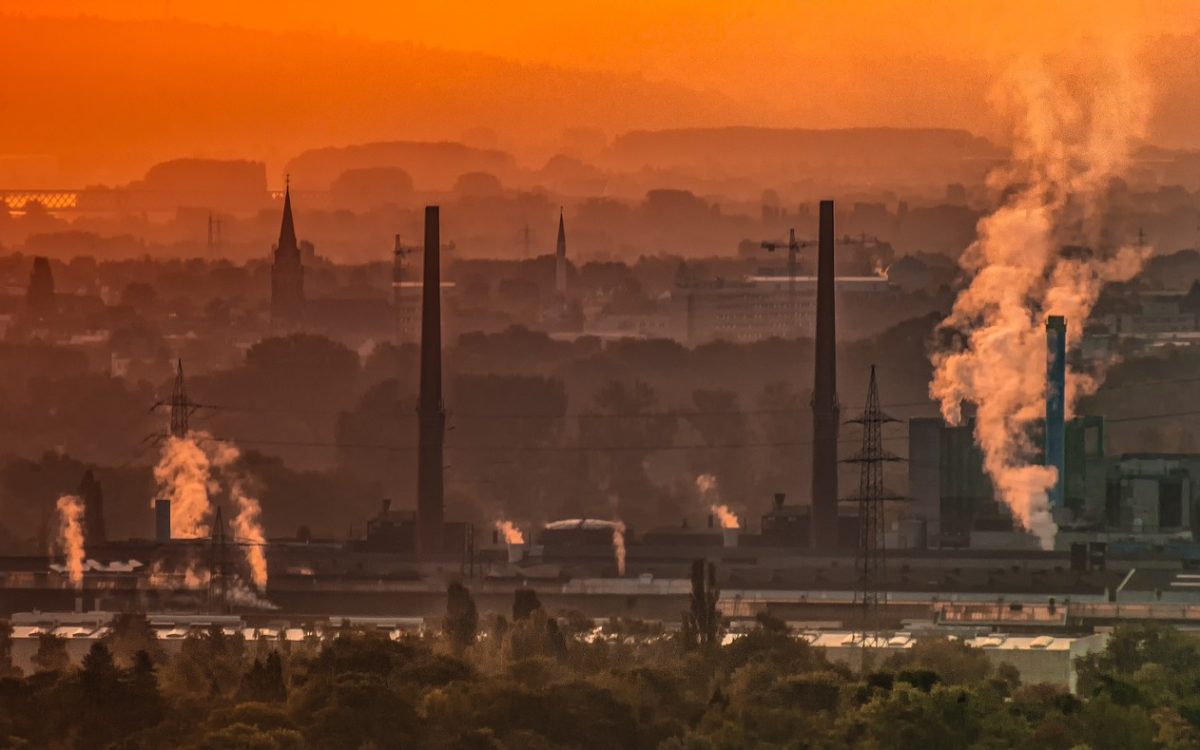
Heatwaves do not just increase electricity demand due to air conditioning. They also affect generation itself. And, contrary to a common claim, the problem is not limited to renewables.
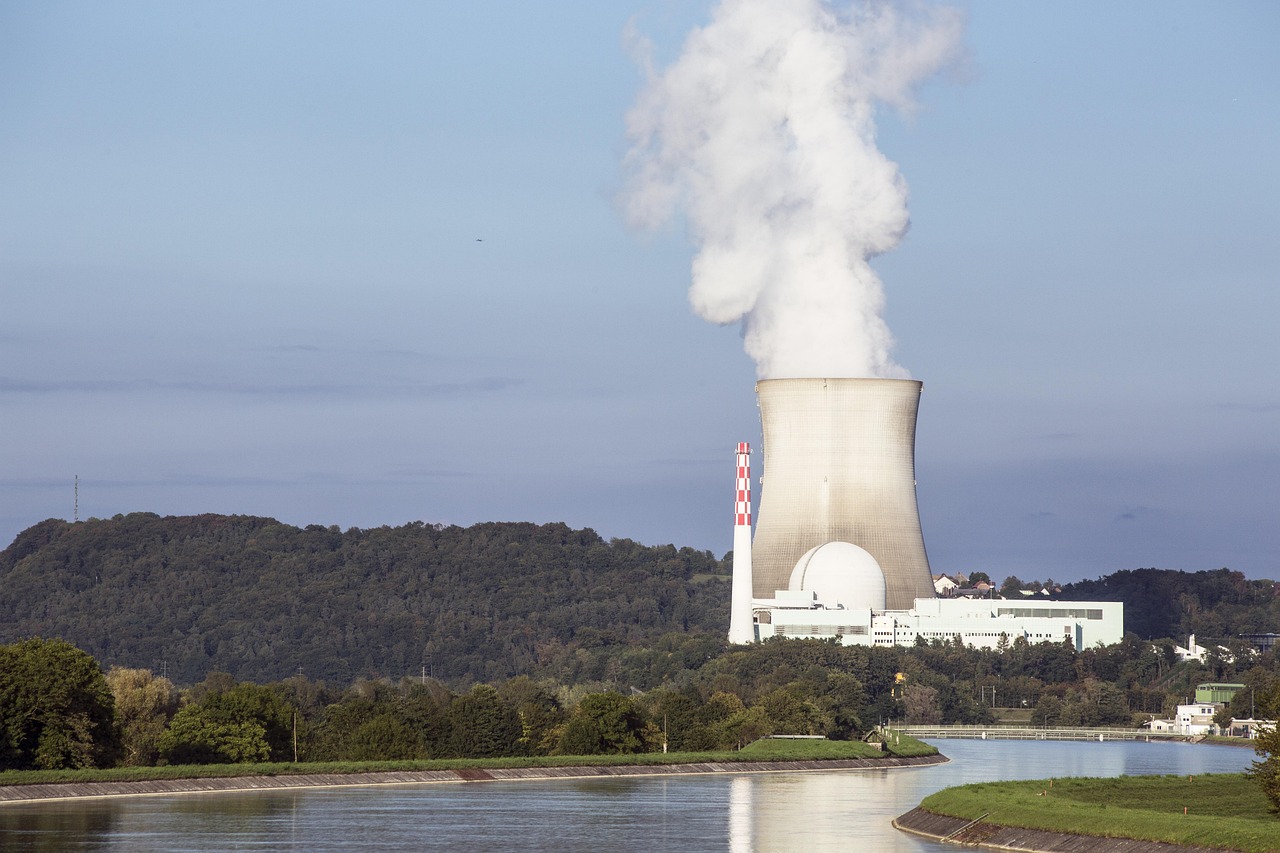
In the summer of 2026, with temperatures exceeding 40°C across much of Europe, generation from nuclear, natural gas and wind dropped, while electricity grids also came under pressure. In France, three nuclear reactors were shut down and another seven restricted their output due to high temperatures and cooling issues.
Natural gas plants also lose efficiency in the heat. According to data compiled by Carbon Brief, at 40°C a gas unit can have approximately 13% less available capacity and 7% lower efficiency compared to operating at 20°C. Warmer and thinner air reduces the performance of gas turbines precisely at times when demand may be at its peak.
Wind power is affected differently. Heatwaves are often associated with widespread high-pressure systems and light winds. Studies show a significant reduction in wind generation during heatwaves across many regions of Europe.
Photovoltaics also lose a little efficiency when they heat up – about 0.2-0.5% for every degree above 25°C. However, heatwaves are usually accompanied by strong sunshine, which more than makes up for this loss. In June 2026, solar generation in the EU reached a record high of 52 TWh.
The critical problem arises in the afternoon: the sun sets, but air conditioning units continue to run. This is where batteries can shift cheap midday solar energy to the hours of peak evening demand.
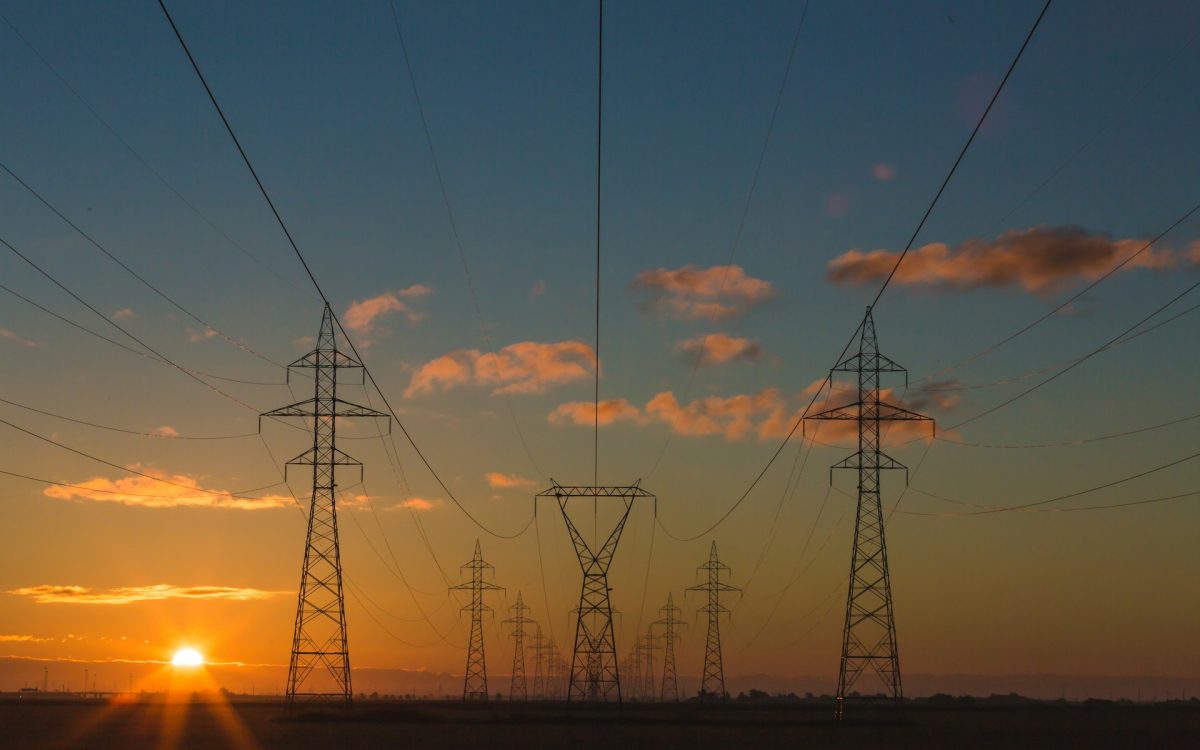
For Greece, the conclusion is particularly important. Resilience to heatwaves is not ensured by investing more in natural gas nor by considering any single technology as “always available”. What is needed is a combination of solar and wind energy, storage, robust interconnections, flexible demand and more resilient grids.
In a warmer climate, the issue is not which technology is unaffected by heatwaves. None is immune. The issue is which energy system can adapt better.