One of the largest sources of natural gas emissions can now be tracked from space. And the case of Turkmenistan shows that many of these emissions can be curbed relatively quickly, provided there is political will.
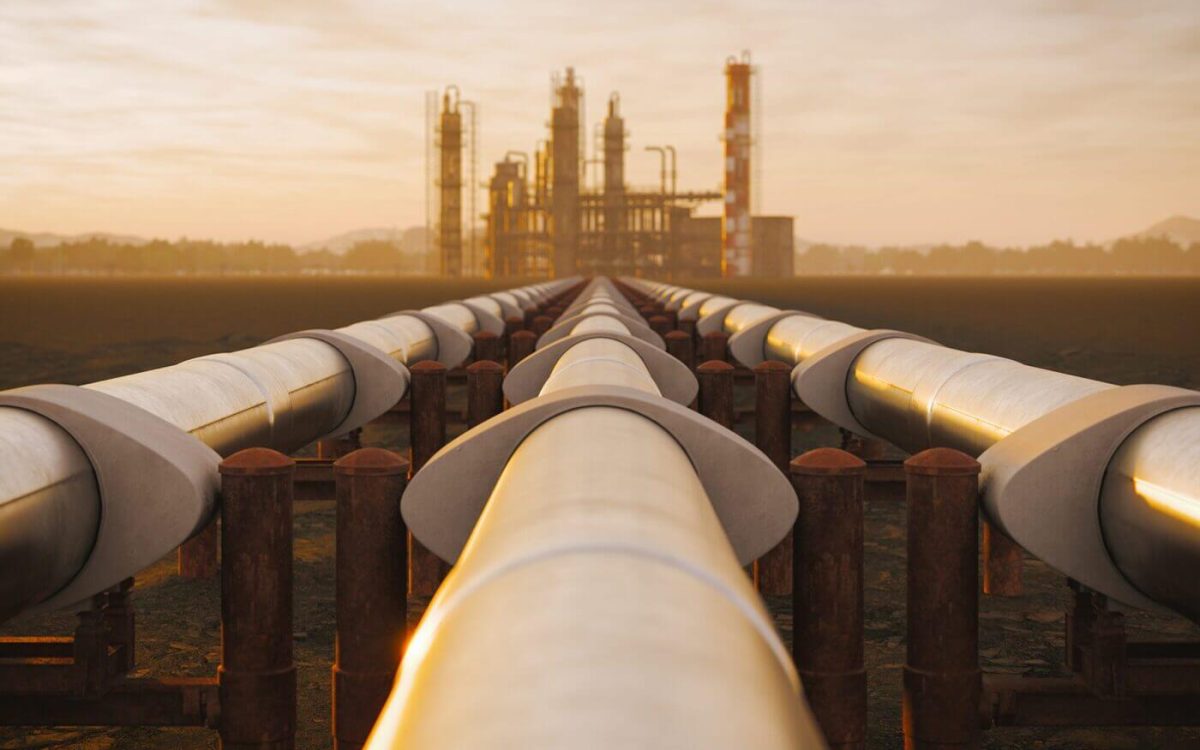
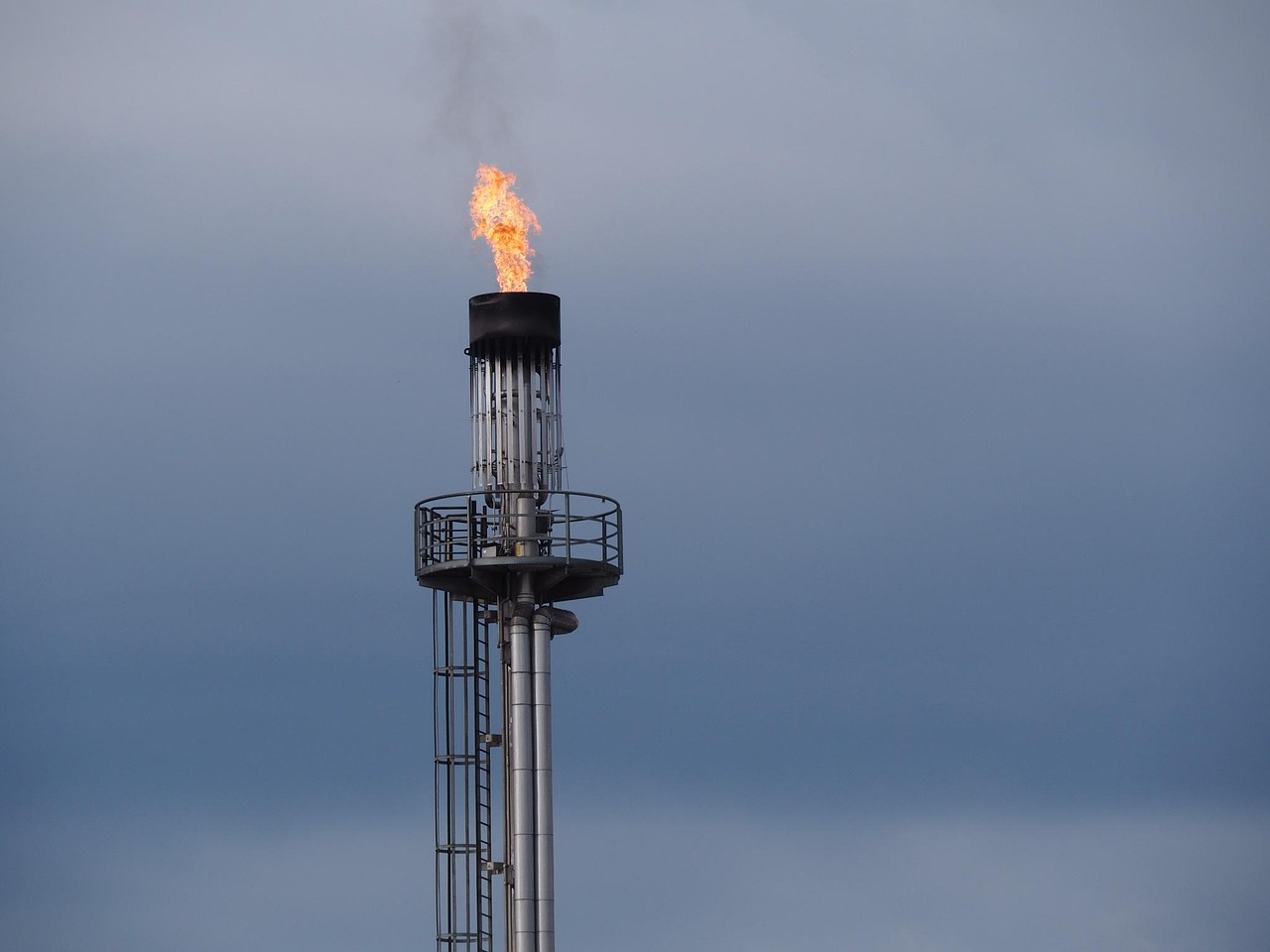
Turkmenistan, one of the countries with the largest methane leaks from oil and gas facilities, recently repaired eight major leaks, fixing corroded pipelines, problematic wells and flaring facilities. The development was described as a significant step by the UN Environment Programme.
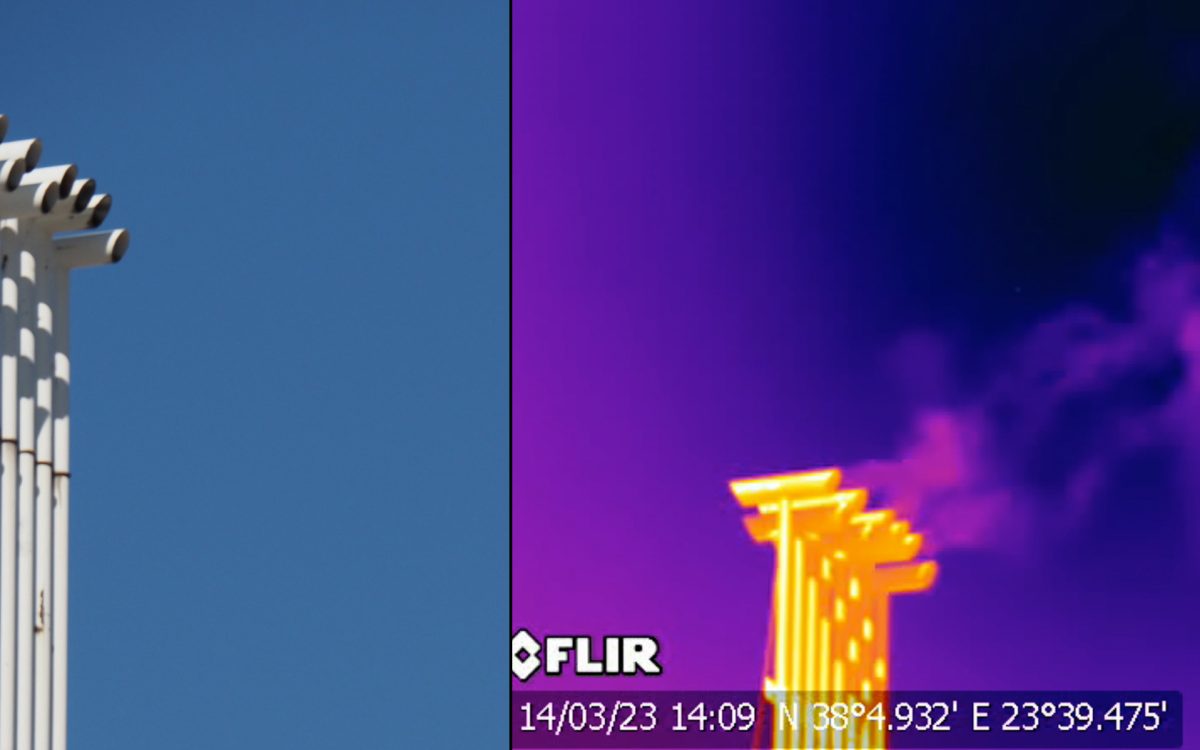
Methane is the main component of natural gas and is an extremely potent greenhouse gas. Over a 20-year horizon, it traps approximately 80 times more heat than CO₂, while it is estimated to account for about a quarter of current global warming.
The UN’s Methane Alert and Response System (MARS) is now playing a decisive role. The system uses data from more than 30 satellite sensors and artificial intelligence to detect very large emissions and alert governments and businesses. Since 2024, it has contributed to more than 40 confirmed emission reduction interventions.
However, technology is not enough. MARS issued 192 alerts to Turkmenistan over the past year and received a response to about 20%. Even more striking is the case of the US: according to published data, it received 138 alerts without responding to a single one.
This is also of particular importance for Greece, as it increases its dependence on imported US LNG. The climate footprint of natural gas does not begin when it is burned in a Greek power plant. It includes leaks during extraction and transport, liquefaction, the sea voyage and regasification.
Satellites are now making these emissions visible. The next question is whether the countries that produce — and those that buy — natural gas will also take responsibility for them.
Source: The Guardian