Greece deployed photovoltaics and wind farms with great speed, but lagged behind in an equally critical infrastructure: electricity storage.
The result is already visible. In 2025, approximately 6.6% of RES generation was curtailed because the system could not utilise all the clean energy available. In June 2026, the European Commission judged that Greece has made only “limited progress” in increasing the flexibility of the electricity system.
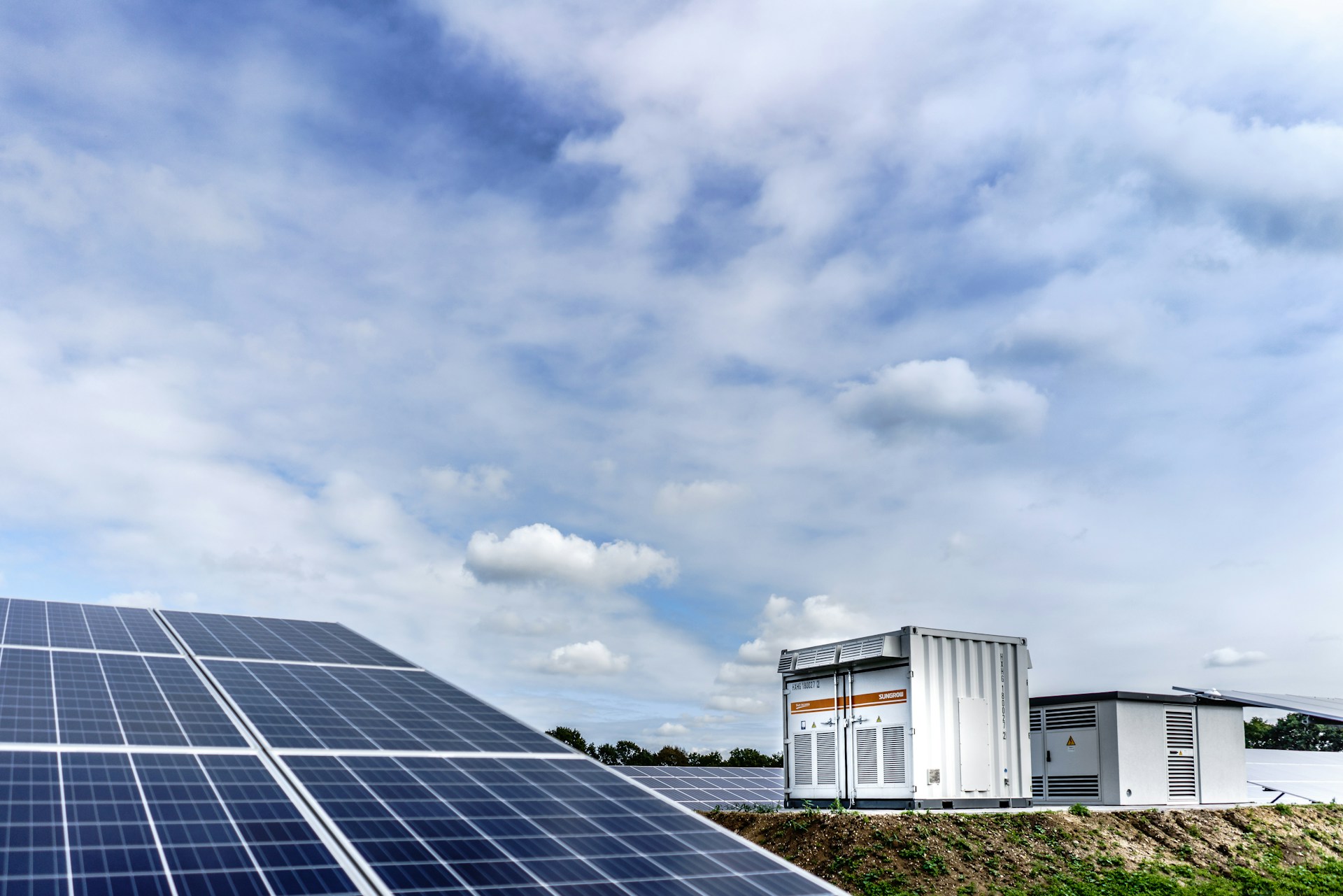
The first large-scale batteries effectively began operating only in the spring of 2026. At the end of June, there were approximately 210 MW. In their first three months of operation, they prevented 26.7 GWh of RES curtailments, just 2.2% of the total. This does not mean that the batteries are underperforming; it means that the installed capacity remains far too small.
The comparison with neighboring Bulgaria is striking. The Commission already records 1,181 MW of operational batteries, more than five times the capacity compared to Greece. At the same time, contracts have been signed for nearly 14,000 MWh of new storage systems.
Bulgaria has aggressively utilised the Recovery and Resilience Facility: through the RESTORE programme, the EU has funded storage infrastructure of at least 3,000 MWh to the tune of €603 million. The results are already visible in projects of hundreds of MWh that came into operation in 2026.
Greece is planning to add approximately 700 MW of batteries in 2026, also using Recovery and Resilience Facility resources. However, the delay already comes at a cost: clean energy is being curtailed during hours of high production, while a few hours later the system reverts to natural gas.
The difference with Bulgaria shows that the problem was not technological. It was primarily a matter of planning speed, licencing and investment priority.
And therein lies the core contradiction of Greek policy: while storage, which could have limited the need for natural gas, progressed slowly, the country is simultaneously investing in new infrastructure and long-term LNG agreements. True energy security would have required the reverse priority.