For years, Greece has presented itself as an energy hub for Southeastern Europe. This narrative is based on the rapid growth of renewable energy sources and increasing electricity exports. Energy storage, however, has not followed the same pace: the rollout of batteries in the country remains limited, whereas neighbouring Bulgaria now boasts more than eight times the installed capacity. The July–September 2026 quarter clearly demonstrated for the first time what this difference means, both in practice and in the country’s electricity trade balance.
From an exporter to an importer during peak-price hours
In the first half of 2026, Greece exported electricity during all hours of the day, mainly to Bulgaria. By the summer, however, the picture had reversed. During the evening hours, when wholesale market prices peak, the country became a net importer. Most of these imports came from Bulgaria.
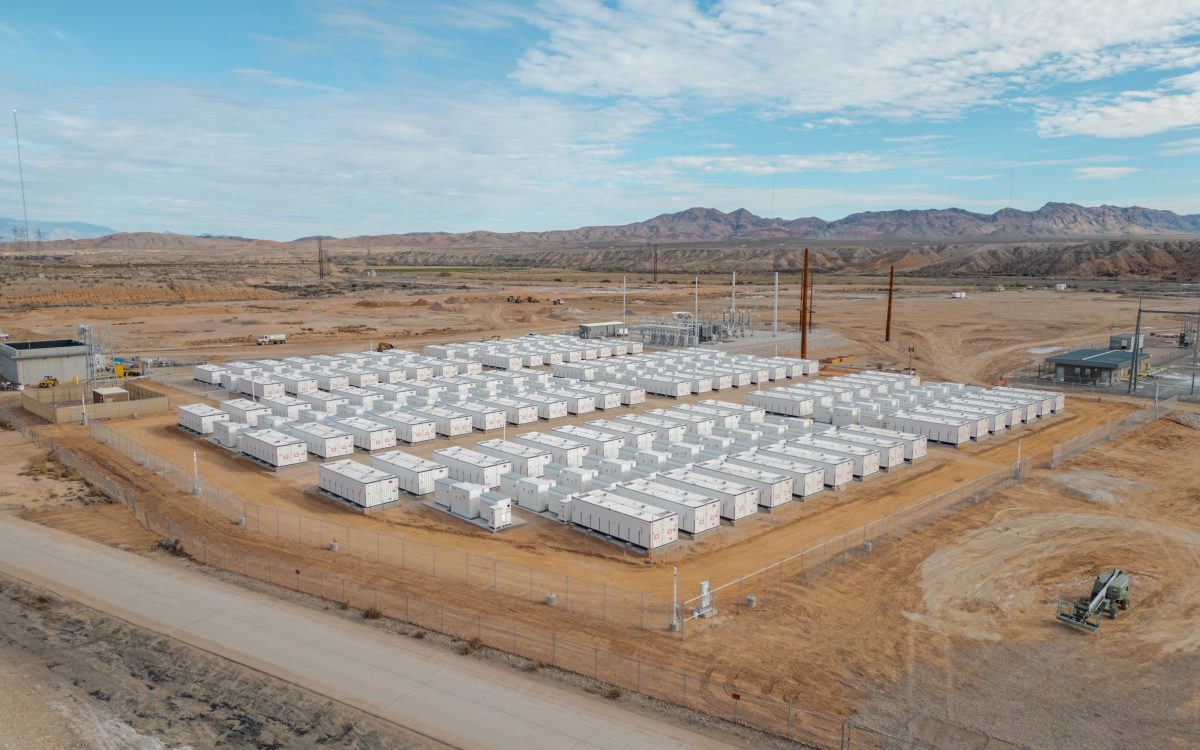
The explanation lies in Bulgarian batteries. At midday, they charge with cheap solar energy, a large part of which originates from Greece, and in the evening they return it to the Greek market. Around 85% of the impressive increase in evening Bulgarian exports to all its neighbours between the third quarter of 2025 and 2026 is attributable to batteries. Romania took the largest share, with Greece coming second.
The benefit for Greece: less expensive gas
For the Greek market, these imports worked beneficially. Even though evening demand increased and hydroelectric generation decreased during the evening hours, Greece burned less fossil gas, the price of which has “soared”. More than half of the gap created was covered by Bulgaria, with a quantity more than double the contribution of Greek batteries. Without the Bulgarian batteries, the gap would have been covered by expensive gas, at the expense of consumers.
The cost: added value goes abroad
If in the evenings the prices in the two countries almost match, does it matter where the batteries are located? The analysis shows that it does, for two reasons.
The first reason is the trade balance. In the first half of 2026, Greece had a surplus of almost €290 million in the electricity trade balance with Bulgaria. In the July–September quarter, the balance turned into a deficit of €58.3 million. This happens because Greece sells cheap energy at noon and buys it back expensive at night. The value created by shifting solar energy to the evening hours ends up outside the borders, to the detriment of Greek producers and the broader national economy.
The second reason is the interconnection capacity. During the midday hours, the line with Bulgaria is often near capacity, so not all surplus solar power can be exported. Whatever is neither exported nor stored is curtailed, and curtailments undermine the financial viability of photovoltaics. With batteries within Greece, the country’s solar generation would be put to much better use.
What is at stake
Summer experience shows that batteries are becoming a critical factor for security of supply across the region, while displacing expensive and polluting gas. Bulgaria, which moved faster, is now covering deficits in Romania and Greece and reaping the financial benefits. The countries that will lead the way in energy storage in the coming years, through batteries and pumped hydro storage, will strengthen their energy and geopolitical position in South-East Europe. For Greece, the question is whether it will be one of them.
You can read the full analysis here.
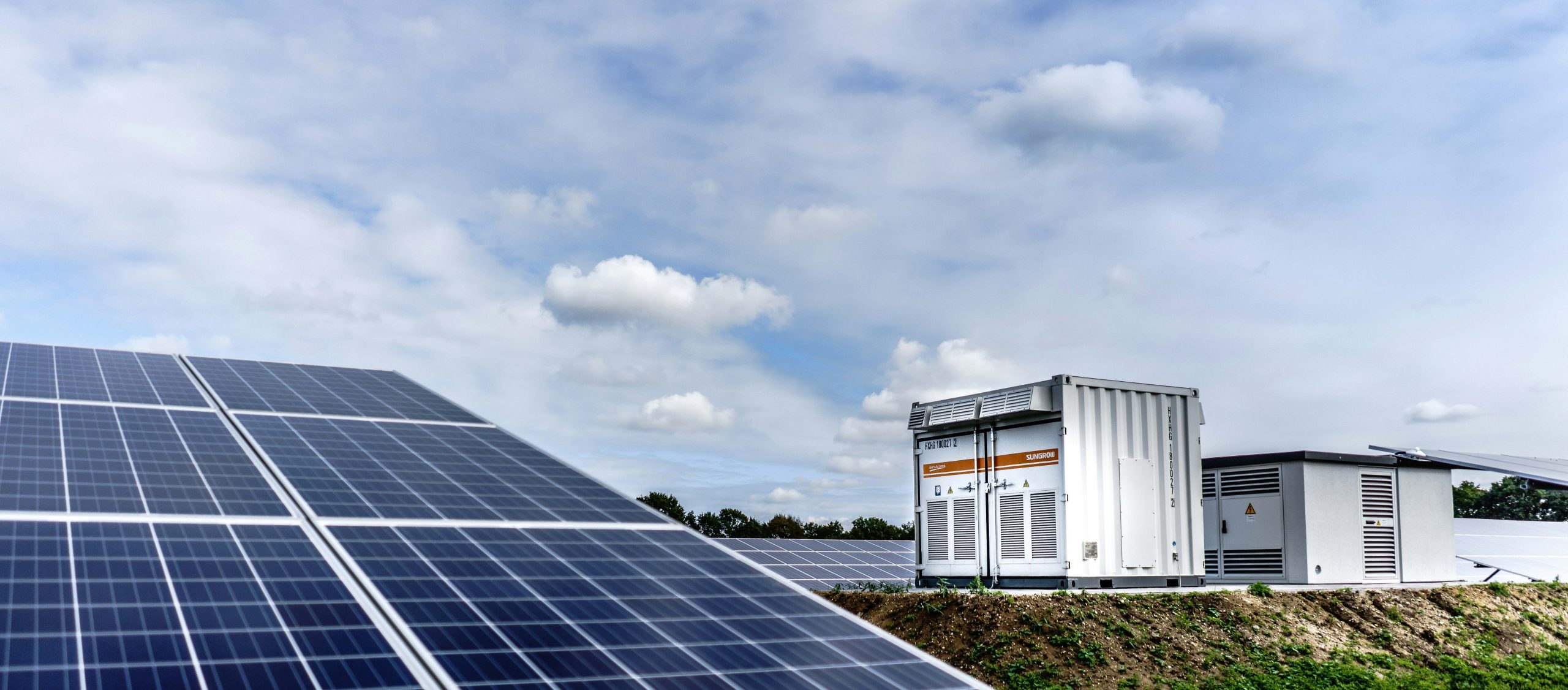
Photo by Sungrow EMEA on Unsplash