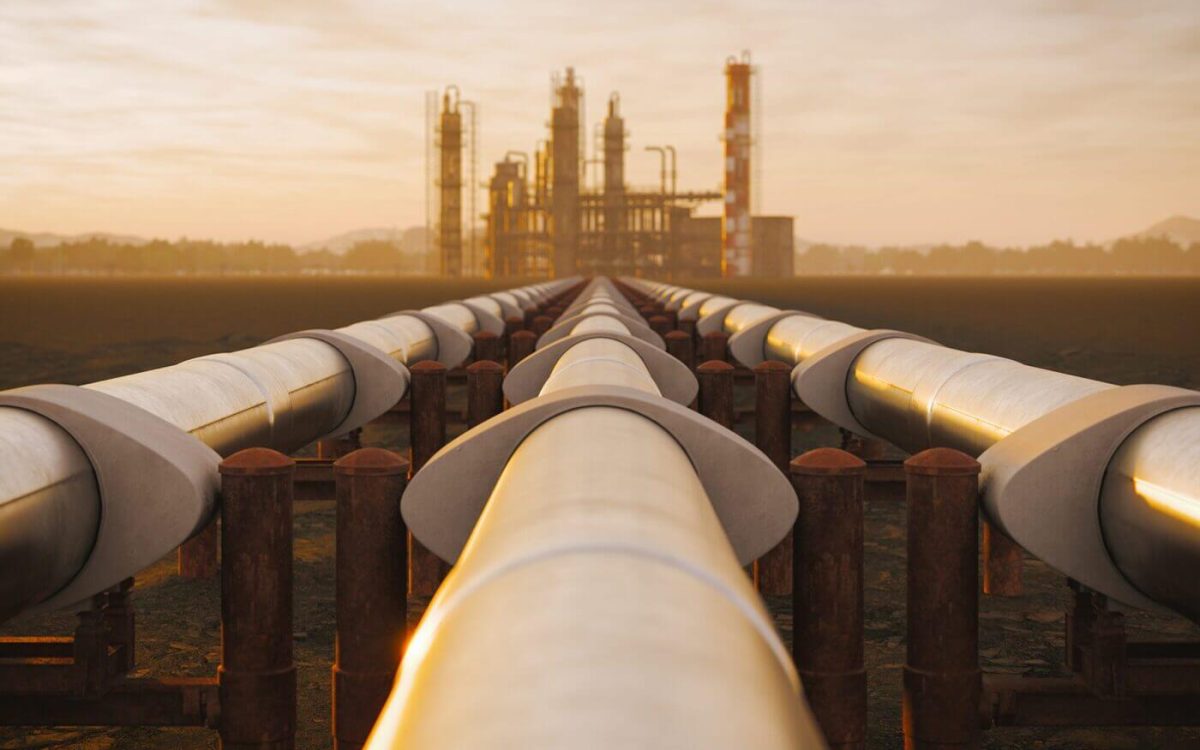
Regulation (EU) 2024/1787 on the reduction of methane emissions in the energy sector entered into force on 4 August 2024. Two years later, Greece is facing a critical implementation gap: while the government aims to transform the country into one of the most important energy networks in Southeast Europe as an LNG import hub, it has not yet fully activated the institutions required for the effective oversight of methane emissions and the transparency and public accountability of the hydrocarbon market.
Greece is sinking into a long-term and highly concerning dependence on fossil gas. In 2025, electricity generation from gas rose to 22.095 TWh, whereas the forecast of the National Energy and Climate Plan approved by the European Commission projected 12.2 TWh (Government Gazette B’ 6983/19.12.2024). At the same time, the construction of LNG regasification and storage terminals and the vertical gas transport corridor from Alexandroupoli to Ukraine are being promoted at a very rapid pace and with strong state financial support.
The issue is not only one of climate and the protection of natural ecosystems from the dramatic impacts of fossil fuel extraction and combustion. It is simultaneously an issue of energy security, the reduction of fuel losses, market transparency and the protection of public health. The regulation requires systematic monitoring, reporting and verification of emissions, as well as leak detection and repair (LDAR) across oil, gas and coal infrastructure.
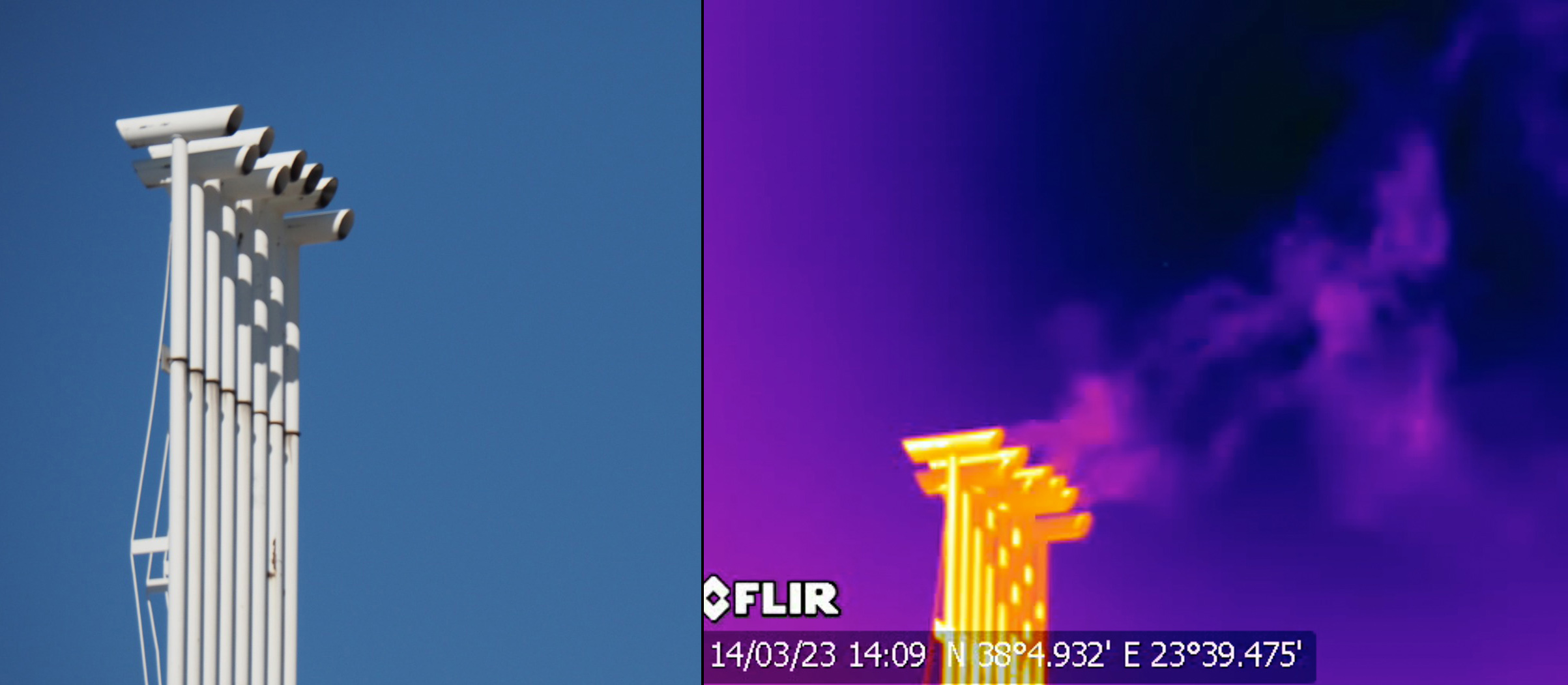
The need for strict implementation is particularly evident in Greece. Research by Clean Air Task Force across 15 European countries between 2021 and 2023, a year prior to the adoption of Regulation 1787/2024, identified evidence of methane emissions in 289 out of 430 oil and gas facilities and a total of 881 emission sources. In Greece, emissions were detected in 8 out of the 12 gas transmission facilities inspected. The most significant visible leaks were recorded at the Nea Mesimvria compressor station, despite it being a relatively new infrastructure asset in operation since 2020.
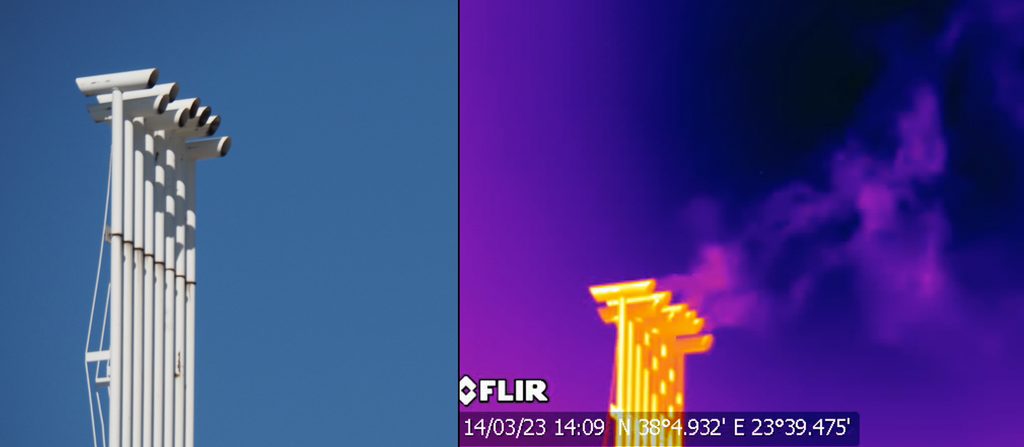
Ano Liosia Regulatory Station – Recording of a methane leak using a specialized GF320 camera by FLIR from the Clean Air Task Force (14 March 2023). © Théophile Humann-Guilleminot / CATF
Όπως δηλώνει ο Théophile Humann-Guilleminot, ειδικός στις καταγραφές διαρροών μεθανίου για το Methane Pollution Prevention Program του CATF, «Greece is not an isolated case: CATF has documented methane emissions from oil and fossil gas infrastructure across Europe, including at several sites in Greece. These findings show why it’s critical that Greece implements the strong EU-level rules that ban wasteful and harmful practices such as cold venting and flaring.»
Such incidents, but above all the development of further combustion and hydrocarbon extraction infrastructure, demonstrate why the enforcement of the regulation cannot be limited to simple data collection. What is needed is an independent and adequately staffed inspection mechanism, with the capacity for on-site inspections, verification of measurements and the imposition of sanctions. And while the obligation for a national environmental inspection system constitutes a national obligation for every member state under the Industrial Emissions Directive as well, the methane regulation extends this obligation to “upstream exploration and production of oil and fossil gas”, which until recently enjoyed special treatment under specific legislation.
The Regulation requires each Member State to designate a competent authority with adequate powers and resources. In Greece, no operational mechanism fulfilling any of these requirements had been activated by September 2026, while the competent authority has still not been designated. Meanwhile, the first routine inspection was required to be completed by 5 May 2026, and Member States were obliged to have established a national penalties framework by 4 August 2025.
In Greece, energy installations subject to the provisions of the methane regulation include Revithoussa, the Alexandroupolis LNG terminal, pipelines, and an expanding network of compression and metering stations. They also concern any lignite facility (mining or power generation), as well as abandoned oil wells from previous years. It also includes hydrocarbon exploration and production activities and facilities, such as the installations in Prinos, the “Asopos-1” exploratory well pending licensing, and the oil extraction operation in Katakolo.
However, the second dimension of the regulation is also critical: the traceability of the footprint of imports. From September 2026, the European open transparency platform, the Methane Transparency Database, is scheduled to become operational. According to Article 30 of the regulation, this will display emissions by member state, company, importer, and the quantities of fossil fuels placed on the European market. The European database will also provide society with data that is currently shrouded in a strong and persistent veil of opacity: the products and profiles of companies trading crude oil, gas, and coal in the Union market. Furthermore, the performance of member states regarding regulatory actions concerning measurement, reporting, verification, and mitigation in third countries where crude oil, natural gas, and solid fossil fuels are produced will also be monitored. Specifically regarding the quality of data declared by competent state authorities and companies, these must have been verified by independent auditing bodies.
For Greece, the full implementation of Regulation 2024/1787 is important to treat as an energy security tool rather than an administrative burden. Every cubic metre of gas that leaks is simultaneously an economic loss, an environmental burden and lost energy value. The country urgently needs: a clear and functional competent authority, adequate resources for inspections, a public data reporting system, a reliable MRV, a strict and deterrent penalty regime, and full implementation of LDAR requirements.
The two wars in Greece’s wider neighbourhood have triggered a new global crisis in the highly volatile hydrocarbon markets, causing energy prices to rise in countries that depend on oil and gas imports. These continuous upheavals demonstrate the now urgent need to break away from fossil fuels through robust conservation policies and the development of RES and storage systems. In this context, accelerating the implementation of the EU regulation on methane emissions from the energy sector is at the heart of efforts to tackle waste and enhance energy security and accountability in the energy markets.