The blockade of the Strait of Hormuz, through which approximately 20% of globally consumed oil passes, due to the US-Israel-Iran war, contributed to an 11% increase in heat pump sales across 12 European countries in the first half of 2026, according to data from the European Heat Pump Association (EHPA).
An upward trend had already been recorded for 2025 by the International Energy Agency (IEA) in its Global Energy Review 2026, as shown in the chart below.
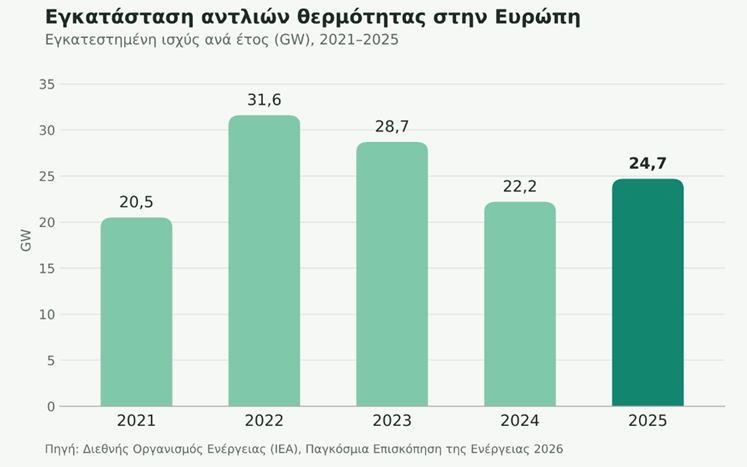
Chart: Installed heat pump capacity in Europe by year (GW). The 2022 peak coincides with the energy crisis following Russia’s invasion of Ukraine. After two years of decline, the market recovered in 2025. Source: International Energy Agency (IEA)
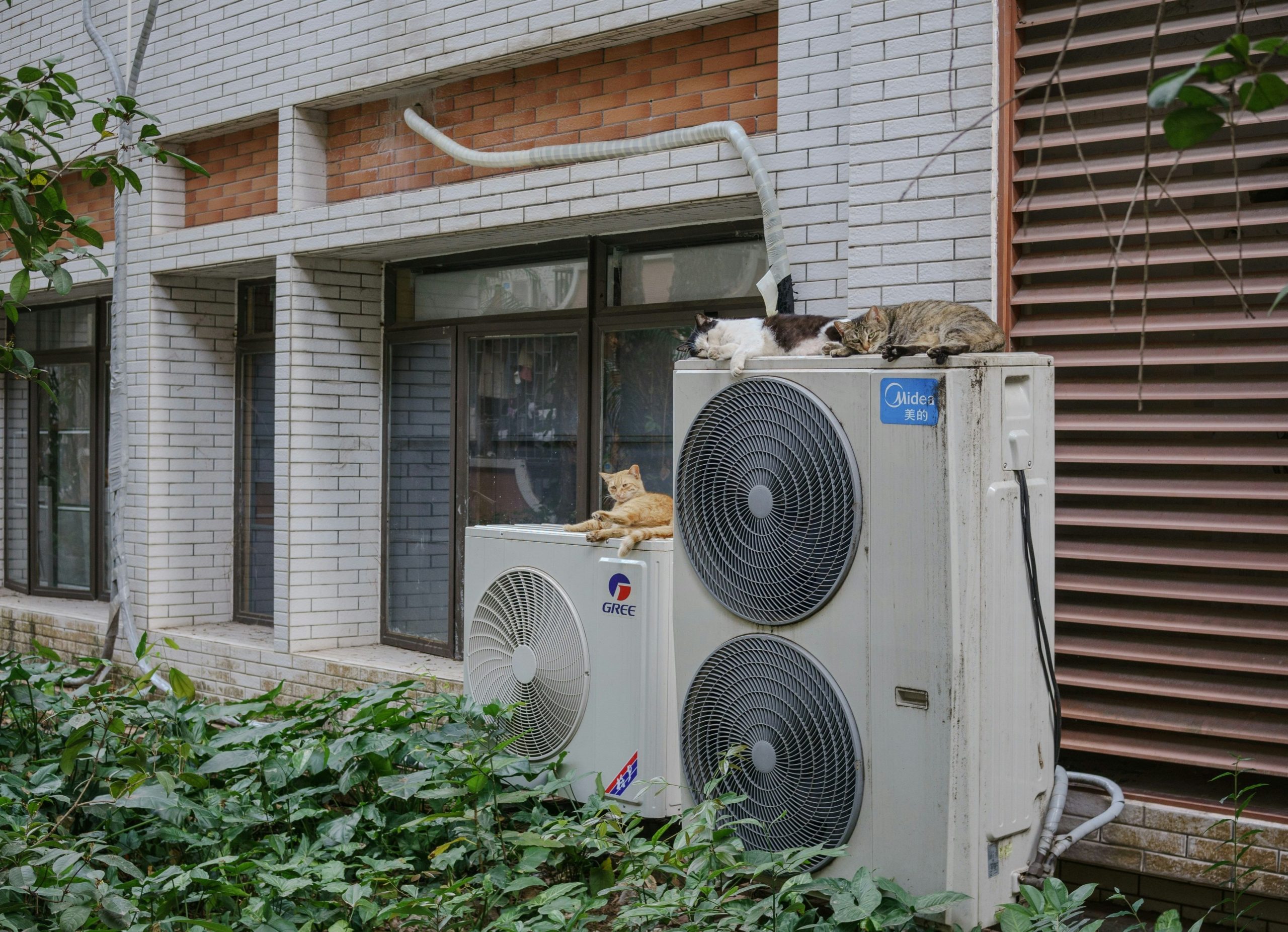
A heat pump operates in a way similar to an air conditioner. It transfers thermal energy from the external environment (air, ground or water), boosts it and transfers it where it is needed. For every unit of electricity it consumes, a typical domestic heat pump delivers about four units of heat, and is three to five times more efficient than a gas boiler.
The Electrification Action Plan, presented by the European Commission on 17 July, also seeks to accelerate the trend towards increased heat pump installations. Electrifying demand could reduce the EU’s fossil gas imports by more than 70% and crude oil imports by more than 40% by 2040.
The EU could save up to 260 billion euros annually by 2040 on fossil fuel imports. At the same time, this saving can protect households and industry from the impact of international crises on energy bills.
The indicative target set by the Commission for electrification is to reach around 46% by 2040 (share of electricity in final energy consumption, industry, transport, heating). Specifically, it sets a target to increase the installation rate of heat pumps to around 4 million per year in 2030, compared to 2.4 million in 2025, and provides for mechanisms and tools to incentivise their installation.
Among the measures, the Plan urges Member States to offer tax incentives, pointing out that only six Member States currently apply a lower VAT rate to heat pumps than to gas boilers.
The crisis in the Strait of Hormuz showed that households turn to heat pumps when gas becomes expensive and uncertain. The key now is for policies to make this shift cheaper and accessible to all.
Photo: Shawn Rain / Unsplash