On 6 November, the Council of the European Union agreed to targeted amendments to the European Methane Regulation, approving a one-year postponement of key emission monitoring and reporting obligations relating to imports of oil, fossil gas and coal into the EU. The decision follows a proposal submitted by the European Commission in October, amidst concerns over security of supply and turbulence in international energy markets caused by the conflict in the Middle East.
Member states agreed to preserve the substance of the Commission proposal, postponing the application of the following provisions by one year:
- the monitoring, reporting and verification obligations for importers of natural gas, crude oil and coal, which will apply from 1 January 2028 (instead of 1 January 2027),
- the reporting on methane emissions intensity for both importers and Union producers, which will apply from 5 August 2029 (instead of 5 August 2028),
- the maximum methane intensity values for both importers and Union producers, which will apply from 5 August 2031 (instead of 5 August 2030).
It is worth noting that the European Commission’s proposal to the EU’s decision-making bodies concerned an extension only for imported fossil fuels. The Council decided to also include EU production in the extension for methane intensity reporting for crude oil, gas and coal production placed on the EU market (Art. 29).
The role of the Irish Presidency
The agreement was reached under the Irish Presidency of the EU, which requested that the Commission’s original proposal remain almost unchanged, rejecting pressures for a much longer postponement. Irish Minister for Climate, Energy and the Environment Darragh O’Brien described the agreement as a “pragmatic approach” that responds to pressures from energy markets without abandoning Europe’s leading role in reducing methane emissions.
This stance takes on particular significance when considering that the European Parliament had previously favored a much more extensive, three-year postponement of the relevant obligations, while also highlighting the important role played by the member states holding the EU presidency.
A single year or the beginning of a longer decline?
Despite the fact that states and scientific bodies supporting the implementation of the regulation in its current form consider a one-year postponement preferable to a three-year delay, they nevertheless express strong concerns that the decision could become the starting point for a permanent weakening of the regulation.
The international organisation Clean Air Task Force (CATF) highlights that the Council has given the Commission the ability to further delay the implementation of certain provisions if it deems that the necessary conditions for implementation have not been created. These include the availability of a sufficient number of independent verifiers, the finalisation of data transfer rules between producers and importers, and the recognition of equivalent verification systems in third countries. Pablo Lopez Legarreta, EU policy manager for methane at CATF, stated that “one year must mean one year” and warned that Europe needs a genuine preparation period rather than a mechanism of continuous extensions”. According to him, the remaining technical problems are known and can be resolved over the next twelve months through the certification of verifiers, the establishment of predictable penalties, and the provision of clear regulatory certainty to the market.
Climate stakes
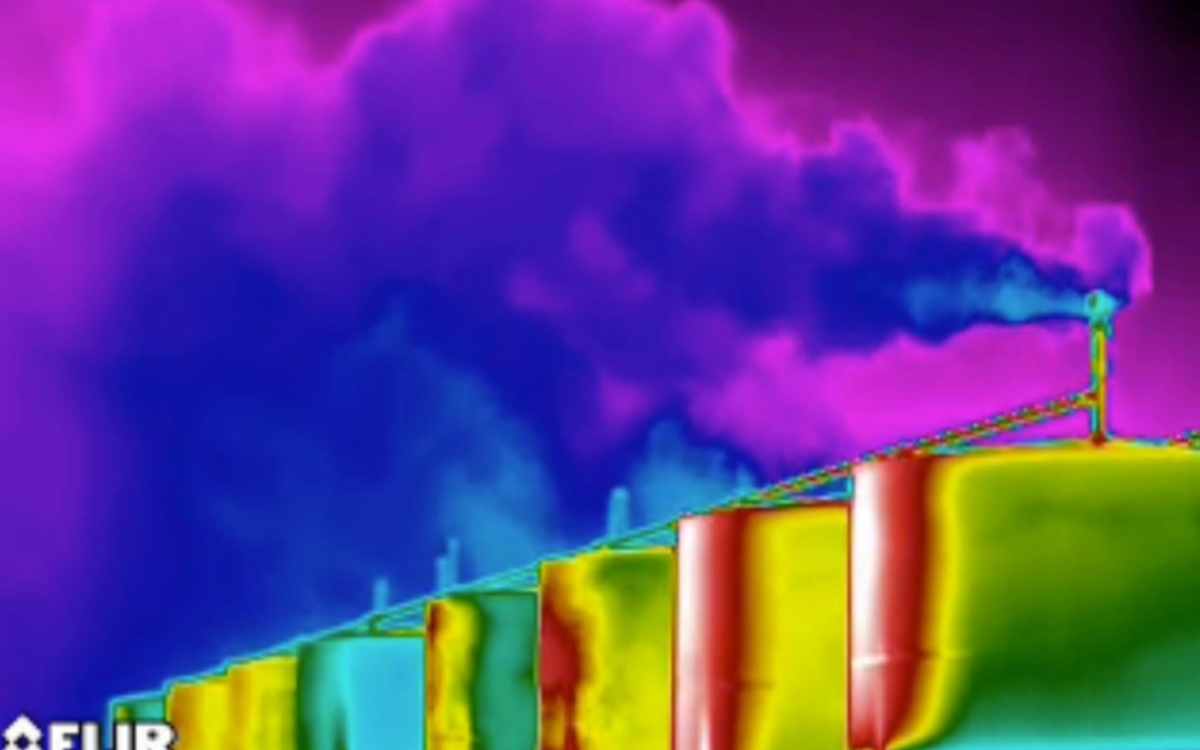
Methane accounts for roughly one-third of current global warming, while reducing its emissions is considered by experts to be one of the fastest and most cost-effective ways to curb climate change over the coming decades. Methane Regulation 2024/1787, which entered into force in August 2024, is the world’s first binding regulatory framework imposing transparency and control requirements not only on domestic production but also on fossil fuel imports into the European market. It covers the hydrocarbon (oil and gas) and coal (e.g. lignite and hard coal) production and processing sectors. Specifically, the regulation applies
- in hydrocarbon exploration and production (oil and natural gas) and in the collection and processing of natural gas;
- in inactive wells, whether temporarily or permanently plugged and abandoned wells;
- in gas transmission and distribution (excluding metering systems at final consumption points within end-customers’ property), as well as in underground storage and LNG facility operations;
- in coal mines (active or abandoned underground or surface).
The regulation also applies to methane emissions occurring outside the EU associated with imported crude oil, gas and coal.
For this reason, more than 30 civil society organisations had called on the European Commission prior to the Council meeting to reject any further weakening of the regulation and to ensure that the temporary postponement does not turn into a permanent delay.
In the period ahead, negotiations between the Council and the European Parliament will determine whether the one-year postponement will remain a limited adjustment due to extraordinary geopolitical conditions or whether it will constitute the first step towards weakening one of the European Union’s most ambitious tools for curbing methane emissions from the fossil fuel sector.
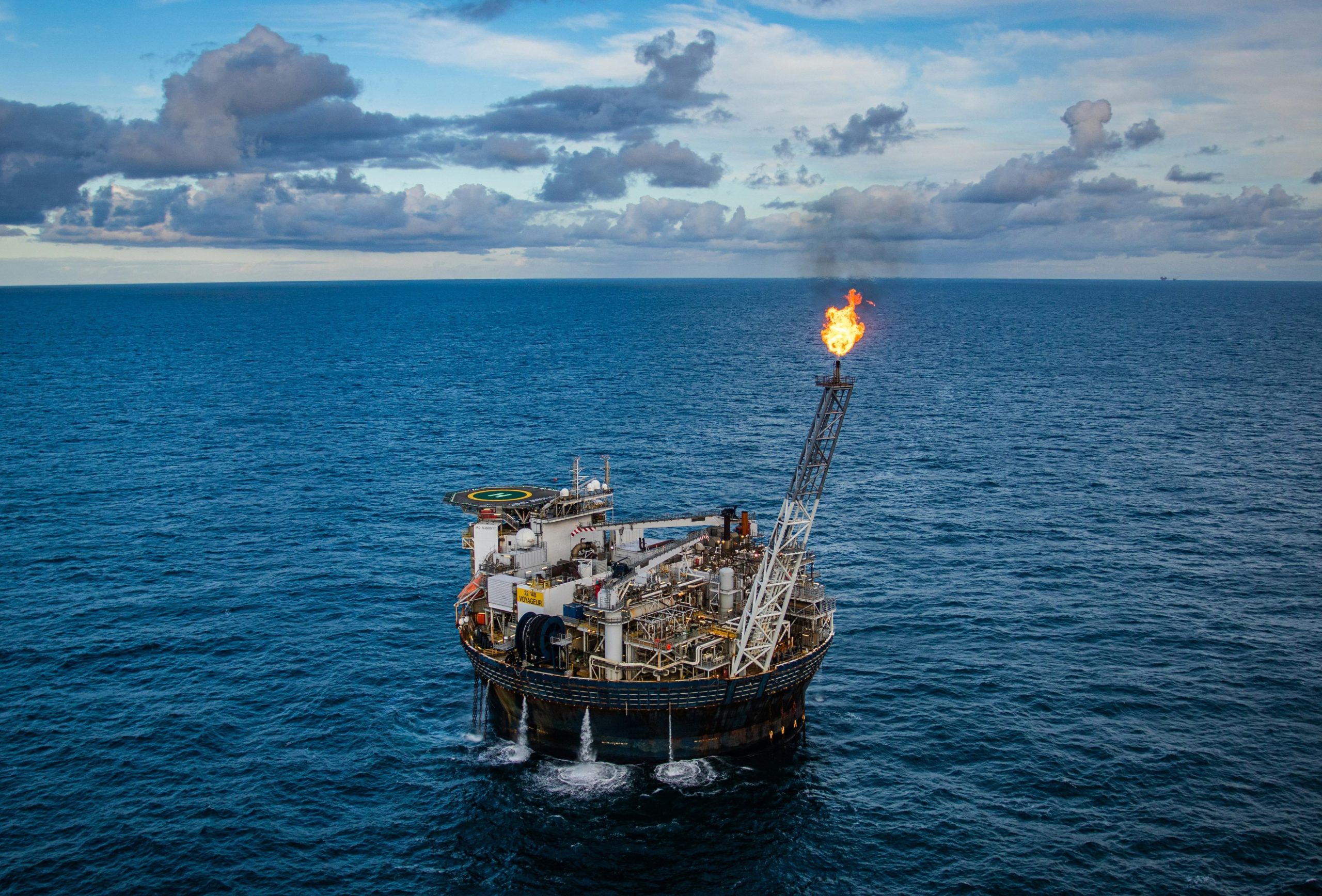
Photo by matt brown on Unsplash