The rooftops of municipal buildings are perhaps local government’s most underrated energy resource. Schools, swimming pools, town halls, sports centres and car parks can generate and even store clean electricity right where it is consumed, or even use it to cover remote consumption. The benefit is not merely financial. It is social, environmental and, particularly amid the ongoing energy crisis, a matter of resilience.
A municipality that generates its own energy reduces electricity supply costs as well as regulated charges, while “locking in” a stable and predictable cost for over 25 years. The saved municipal resources can support its social policy, and part of the generated energy can even be allocated to vulnerable households.
Two main connection methods
The zero-injection scheme covers only the simultaneous consumption of the building, without any flow to the grid. It is usually approved faster, but in buildings such as schools, which close in the afternoons and during the summer, a large part of the generation is wasted. Net-metering and virtual net-metering allow the surplus to be fed into the grid and offset against the consumption of other municipal facilities, such as sports centres, street lighting or water supply. The new Ministerial Decision of September 2026 makes this option more accessible for local authorities.
First study, then installation
Success is determined at the design stage. Municipalities require detailed technical studies: hourly consumption profiles, structural adequacy and roof condition assessments, electrical installation checks, investigation of grid connection feasibility with HEDNO, and financial analysis. Only in this way can a system be correctly sized, installed without delays, and deliver genuine cost reductions.
The core principle of “energy efficiency first” must remain the guiding force. Cheaper green energy should not lead to overconsumption. Meters, production and consumption monitoring systems, storage, and smart load management (BEMS) are the tools that ensure the optimal use of every kilowatt-hour.
The school as a living laboratory
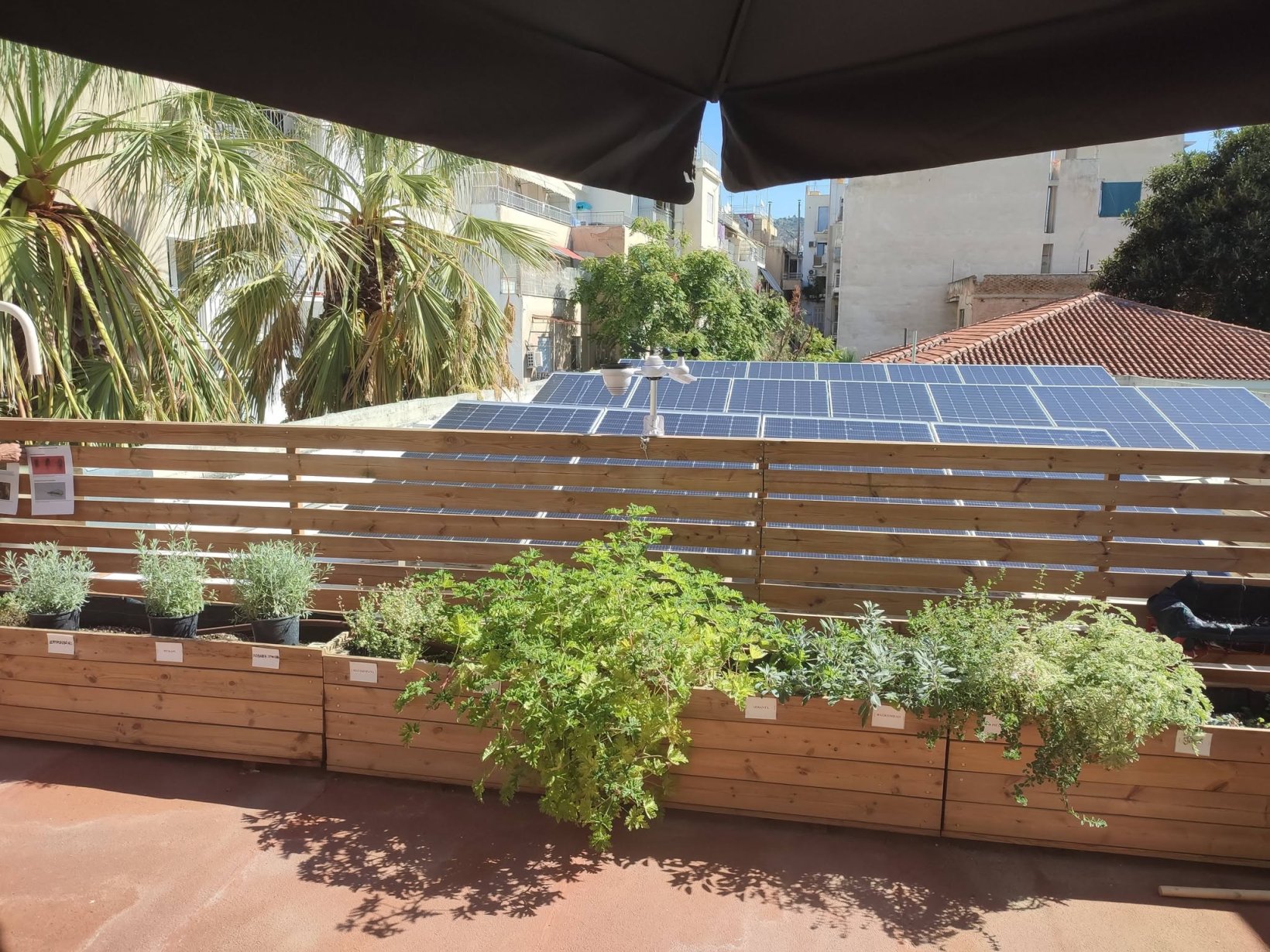
Photovoltaics on schools carry a unique value. Combined with virtual net metering, the surplus energy generated during the summer is used to offset remote municipal consumption. At the same time, a digital application and a screen displaying real-time generation and consumption become the starting point and ongoing support for experiential educational activities. Children learn what decentralized green energy means and become ambassadors for good practices in their homes. In this way, the public becomes familiar with the energy transition and its realities, getting “equipped” so as not to serve as “fertile ground” for the disinformation circulating unchecked on the internet.
Obstacles, but also tested solutions
The difficulties are well known: delays in connection terms, saturated grids, buildings lacking full legalisation or structural assessments, time-consuming public procurement procedures, limited capital and understaffed technical services. There are several examples that can be adapted and followed. Indicatively, the City of Athens supported its installations at the Serafeio and two schools based on multi-criteria analysis. The Municipality of Vari-Voula-Vouliagmeni implemented 27 systems via an energy performance contract. In Croatia, Zagreb developed the “Sunny Roofs” programme, while in Bulgaria, Gabrovo funded a rooftop PV system on a public building through a citizens’ energy community.
Where obstacles are institutional and regulatory, it is important that the response is collective. Developing knowledge across all municipalities, exchanging experiences and rallying them together can lead to policy choices that will remove difficulties: standardised tender documents, binding connection deadlines, dedicated funding for project maturity.
The municipal building of tomorrow
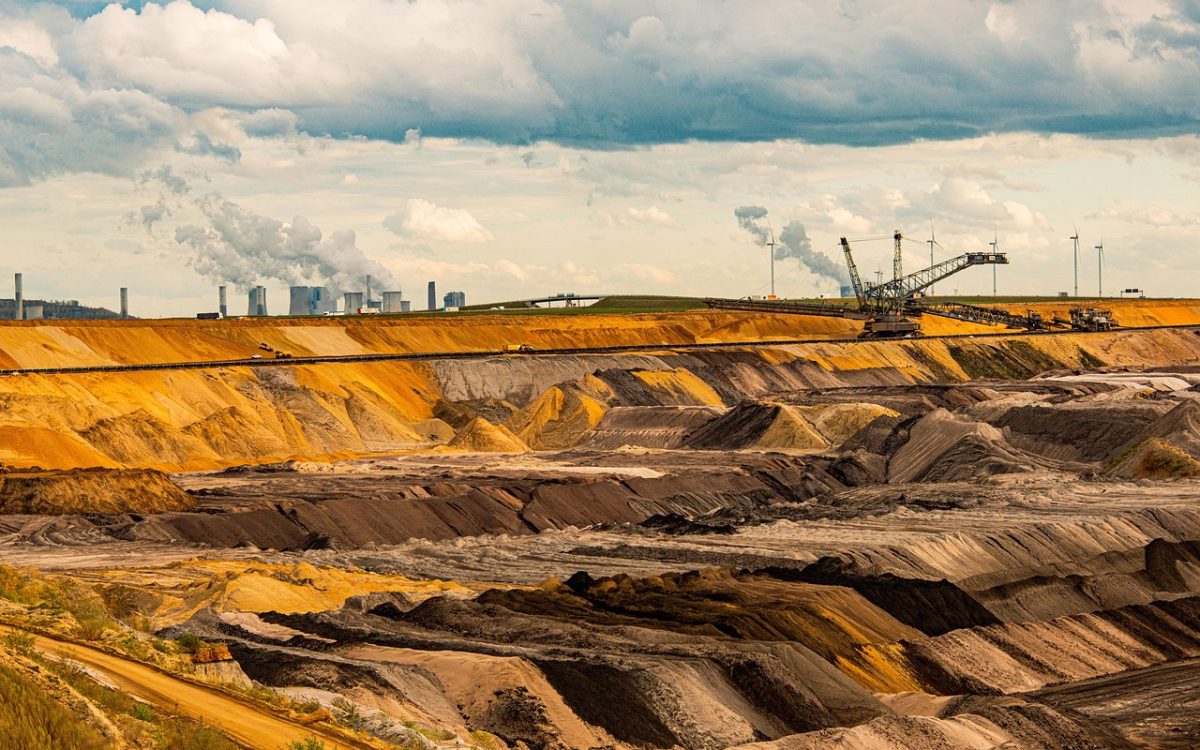
Let us imagine the municipal building of the not-so-distant future. With no polluting chimneys, free of fossil fuels, producing, storing and sharing clean energy. A building operating as a hub of knowledge and best practices for the energy transition and environmental protection, open to citizens and the younger generation. Our rooftops can become the first step.
Photo: Green rooftop with photovoltaics at the 21st Primary School “Lela Karagianni”, in Athens. Source: https://blogs.sch.gr/21dimath/2026/10/07/mia-dimioyrgiki-prasini-evdomada/