The year 2026 looks set to surpass 2024 as the hottest on record. The average global temperature will close at around 1.52°C above pre-industrial levels, and there is a 67% probability that it will even break the 2024 record. This is according to the latest Carbon Brief analysis on the state of the climate (State of the Climate), published on 3/11/2026.
The forecast for 2027 is even worse: 1.74°C above pre-industrial levels, with a 96% probability of becoming the warmest year on record. Contributing to this is an El Niño event that has already exceeded all previous measurements. August 2026 was already the hottest month in recorded history, and September was the second-hottest September on record.
Europe’s “hottest” summer to date
According to Carbon Brief, the summer of 2026 was the warmest for Western Europe to date, with an average temperature of 21.7°C, which is 2.5°C above the 1991–2020 average. A “very strong” heat stress was experienced by 52% of the continent, a percentage that had never been recorded before. In Austria, Belgium, France and Germany, cooling needs from May to August were triple their historical levels, as the International Energy Agency (IEA) notes in its annual report, World Energy Outlook 2026.
The cost is also measured in lives. In England, the UK Health Security Agency (UKHSA) estimates 5,258 heat-related deaths. This is almost double the previous grim “record” of 2,985 deaths in 2022, and the highest figure since records began in 2016. In just one week, between 21 and 28 June, 2,401 heat-related deaths were recorded. During that period, the temperature reached 38°C, an extreme temperature for England. A UKHSA environmental health scientist noted that the summer of 2026 significantly impacted public health. They added that periods of extreme heat will become longer, more frequent and more intense as global warming continues.
Cooling, a source of increasing energy demand
In a world where both incomes and temperatures are rising, the IEA points out, demand for cooling is increasing dramatically. In emerging and developing economies outside China, 85% of households are exposed to high temperatures, but fewer than 20% currently have an air conditioner. For the first time in energy history, the IEA notes, global cooling needs are beginning to surpass those for heating. Already today, the world consumes more electricity to cool down than to warm up, although heating overall still requires more energy.
Air conditioning is no longer just a matter for tropical countries. It is emerging as a new source of demand even in countries with increasingly hot summers and more frequent heatwaves, particularly in Europe. The record temperatures of recent years have already driven up sales of air conditioners, both in developing economies and in European countries that did not previously need them. By 2035, the number of air conditioners in the world is expected to increase by 45%.
In the IEA’s central scenario, electricity demand for cooling in buildings will increase by 1,700 TWh and reach 4,700 TWh by 2035, an increase roughly equal to India’s entire current total electricity consumption. If heatwaves become more intense, more frequent and longer-lasting, the increase will be 40% greater.
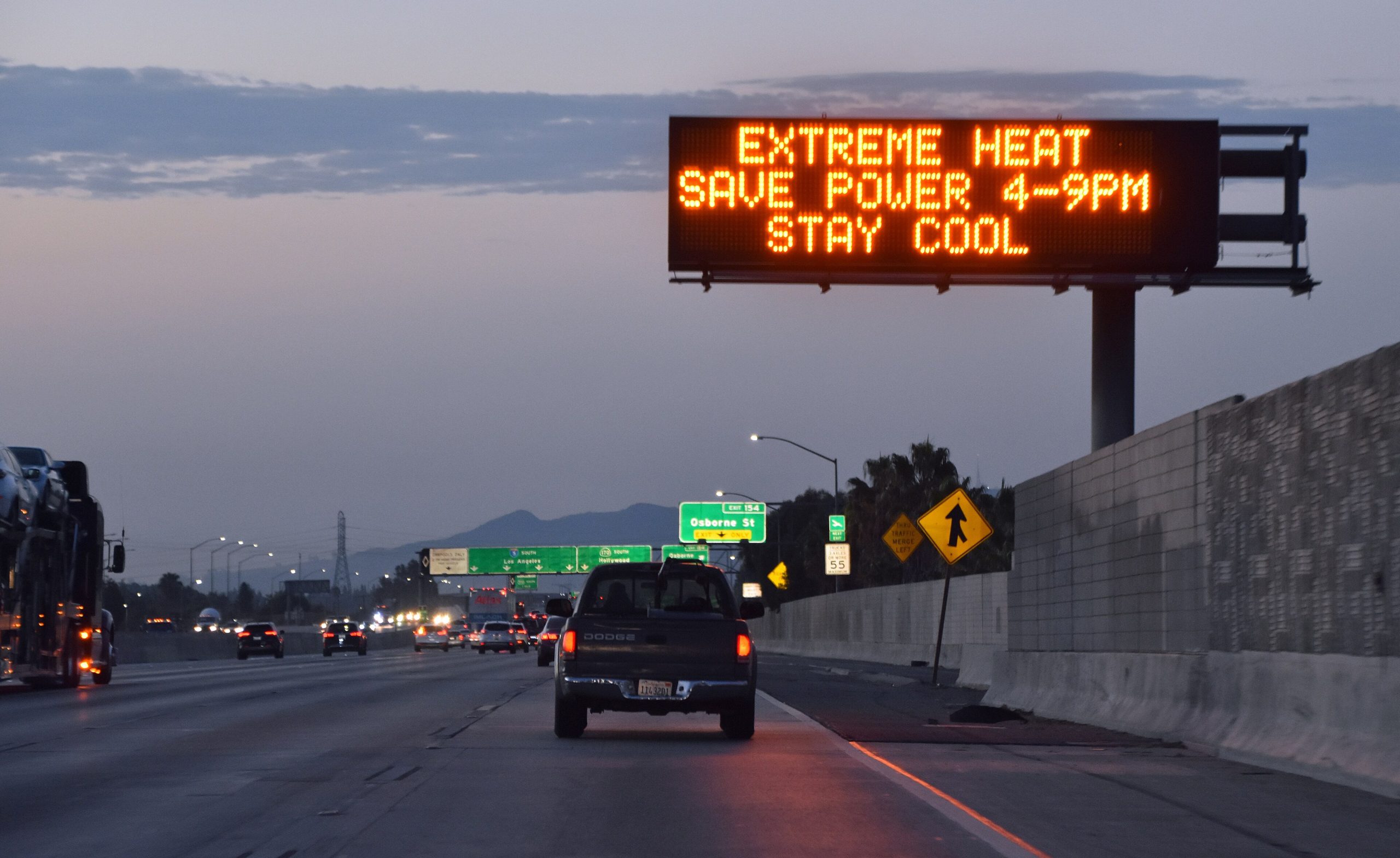
Crucial is the timing of when this electricity is consumed: by 2035, cooling will account for just 12% of consumption, but 30% of peak demand. And extreme heat, the IEA warns, drives up demand at the very same time that it reduces the capacity to generate and transmit electricity.
The need for cooling at the heart of energy policy
Meeting cooling needs in an overheating world must now be at the heart of energy policy. Yet the question arises as to who can pay for air conditioning. In advanced economies, poorer households already spend around 20% of their disposable income on energy, and higher prices make it difficult for them to cover their basic energy needs. Keeping cool must not become a privilege, because, as the example of England shows, heat kills.
Sources:
- International Energy Agency (IEA) (2026). World Energy Outlook 2026. IEA, Paris, November 2026. CC BY 4.0 licence.
- Carbon Brief, “State of the climate: 2026 likely to tie with 2024 as the warmest year on record”, 3/11/2026 (updated 11/11). https://www.carbonbrief.org/state-of-the-climate-2026-likely-to-tie-with-2024-as-the-warmest-year-on-record
- BBC, “Record 5,200 heat-linked deaths estimated in England this year”, 24/11/2026, using provisional data from the UK Health Security Agency. https://www.bbc.com/news/articles/cq2e83egrez3o